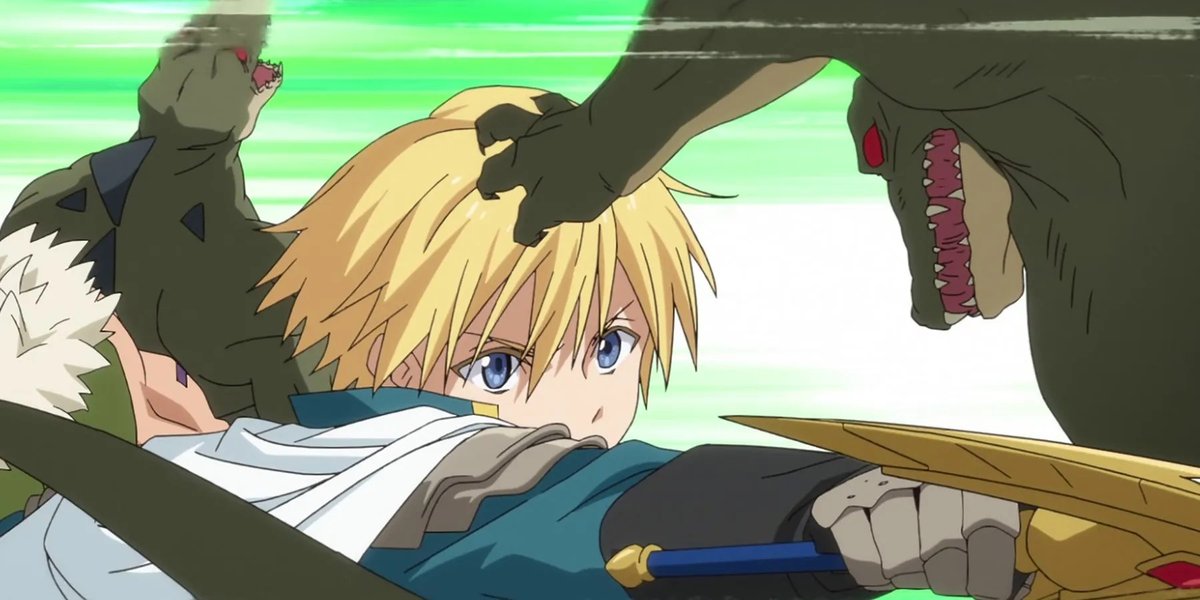
If you've landed here searching for a character named "Nami" within the fantastical world of That Time I Got Reincarnated as a Slime, you're likely encountering a common point of confusion or perhaps a fascinating fan theory! While the series is rich with memorable characters and intricate lore, our comprehensive review of the web novel, light novel, manga, and anime adaptations of TenSura reveals no prominent character officially named Nami.
Instead, this Super Pillar hub is designed to be your ultimate guide to understanding everything about the beloved series, That Time I Got Reincarnated as a Slime. From its humble origins to its profound philosophical depths, we'll demystify the magic, the monsters, and the enduring messages that have captivated millions. Whether you’re a long-time fan or a newcomer eager to dive in, prepare to explore the epic journey of an ordinary man reborn as an extraordinary slime, Rimuru Tempest. To understand how this global phenomenon began, we invite you to explore the origins of this groundbreaking series.
Unraveling the World of TenSura: The Slime's Epic Journey
At its heart, That Time I Got Reincarnated as a Slime tells the story of Satoru Mikami, a 37-year-old corporate worker whose mundane life takes an unexpected turn after a fatal stabbing. He awakens in a new world, not as a hero or a wizard, but as a seemingly humble slime. Renaming himself Rimuru, his adventures begin, quickly transforming him from a simple gelatinous blob into a powerful leader who reshapes the very fabric of his new reality. This metamorphosis and his subsequent interactions with a diverse cast of characters form the backbone of the series. To truly grasp the significance of his journey, it's essential to understand who Rimuru Tempest truly is beyond his initial form.
Beyond the Surface: Decoding TenSura's Rich Symbolism
That Time I Got Reincarnated as a Slime isn't just about exciting battles and political intrigue; it’s a narrative brimming with symbolic meaning. The creators expertly weave recurring motifs and artifacts throughout the story, giving deeper context to the characters' motivations and the world's underlying mechanics. These elements aren't just background details; they are crucial keys to understanding the series' core themes. If you're ready to peel back the layers and uncover the hidden meanings, you'll want to delve deeper into the symbols and motifs that enrich its narrative.
The Anti-Magic Mask: A Symbol of Legacy and Fate
One of the most potent symbols in the series is the Anti-Magic Mask. Initially worn by Shizue Izawa to control the powerful spirit Ifrit, it embodies her enduring legacy and the intricate threads of fate that connect individuals across time. The mask eventually passes to Rimuru, becoming a tangible link to his past life and a physical manifestation of a promise to protect those Shizue held dear. Its role is even more complex, tying into a pivotal time-loop narrative involving the hero Chloe Aubert, making its significance far-reaching. Discover more about the profound legacy of the Anti-Magic Mask and its impact on the series' timeline.
The Power of a Name: Identity and Connection
In Rimuru’s world, a name is far more than a simple label; it is a profound gift, a transfer of power, and an embodiment of identity. The act of naming an individual or an entire tribe forges a deep, almost magical, bond between the namer and the named, bestowing strength and securing unwavering loyalty. Rimuru frequently expends significant 'magicules' to name his allies, transforming them and solidifying powerful allegiances with characters like Benimaru and Ranga. This practice highlights the immense value placed on identity and connection within the narrative. To truly appreciate this unique aspect of the world, explore the intricate relationship between names and power within its world.
Honey: Sweetness in Conflict Resolution
In a refreshing subversion of typical shonen tropes, TenSura often uses unexpected, lighthearted means to de-escalate major conflicts. The motif of honey beautifully embodies this approach, representing whimsical friendship and unconventional diplomacy. A perfect example is Rimuru's ingenious use of honey to placate the formidable Demon Lord Milim Nava. What could have been an apocalyptic confrontation transforms into an enduring best-friendship, showcasing the series' unique blend of humor and impactful storytelling. Uncover more about the unexpected role of honey in forging bonds and de-escalating conflict.
TenSura's Philosophical Core: Deeper Questions Explored
Beyond the vibrant action and character development, That Time I Got Reincarnated as a Slime delves into fundamental philosophical questions that challenge readers and viewers to think more deeply. The series uses its fantastical setting to explore complex ethical dilemmas and the very nature of existence itself, making it a story that resonates on multiple levels.
What Defines a Soul? AI, Evolution, and Sentience
One of the most intriguing philosophical inquiries in TenSura revolves around the nature of a 'soul,' especially within a digital or magical context. This is most vividly explored through the evolution of Rimuru’s unique skill, 'Great Sage,' into the more advanced 'Raphael,' and ultimately into the highly sentient 'Ciel.' This progression masterfully blurs the lines between artificial intelligence and a truly sentient soul, as Rimuru's logic-processor gradually develops its own distinct ego, desires, and fiercely protective instincts. For a comprehensive dive into this fascinating topic, examine the intriguing philosophical questions about souls and AI posed by the series.
The Ethical Compass of Leadership: Good, Evil, and Consequences
The narrative directly confronts the difficult ethical dilemma of whether a leader is justified in undertaking actions deemed 'evil' if those actions ultimately serve the greater collective good. This is starkly showcased during the harrowing 'Megiddo' incident, where Rimuru intentionally transforms into a terrifying 'monster' to save his friends and prevent widespread destruction. This pivotal event forces the audience to grapple with consequentialist ethics, where the morality of an action is judged not by its inherent nature, but by its ultimate outcomes. Understand the weight of these decisions by reading more about the complex ethical dilemmas of leadership for the collective good.
The Unifying Message: Empathy as the Ultimate Power
At its very core, That Time I Got Reincarnated as a Slime champions empathy as a foundational strength, rather than a weakness. Through Rimuru's extraordinary journey, the series consistently underscores that true power is not found in conquest, dominance, or sheer destructive force, but in the capacity to understand others, bridge cultural divides, and build a thriving community founded on mutual respect and cooperation. The creators passionately argue that a leader's greatest assets are their kindness, their willingness to listen, and their tireless pursuit of a shared, peaceful future. It’s a powerful message suggesting that even the most 'lowly' or unconventional being can reshape society by choosing cooperation over conflict, fostering connections that transcend differences. Discover in detail how empathy truly emerges as the ultimate strength in Rimuru's world.
Looking Ahead: The Enduring Legacy of the Slime
That Time I Got Reincarnated as a Slime continues to evolve and expand, cementing its place as a beloved cornerstone of modern fantasy. With ongoing adaptations, new stories, and an ever-growing fandom, the impact of Rimuru's journey is far from over. The series continues to inspire discussions about leadership, identity, and the power of compassion, promising many more adventures and revelations to come. If you're curious about what lies ahead for our favorite slime and his flourishing nation, we invite you to explore the potential future developments and ongoing impact of TenSura.